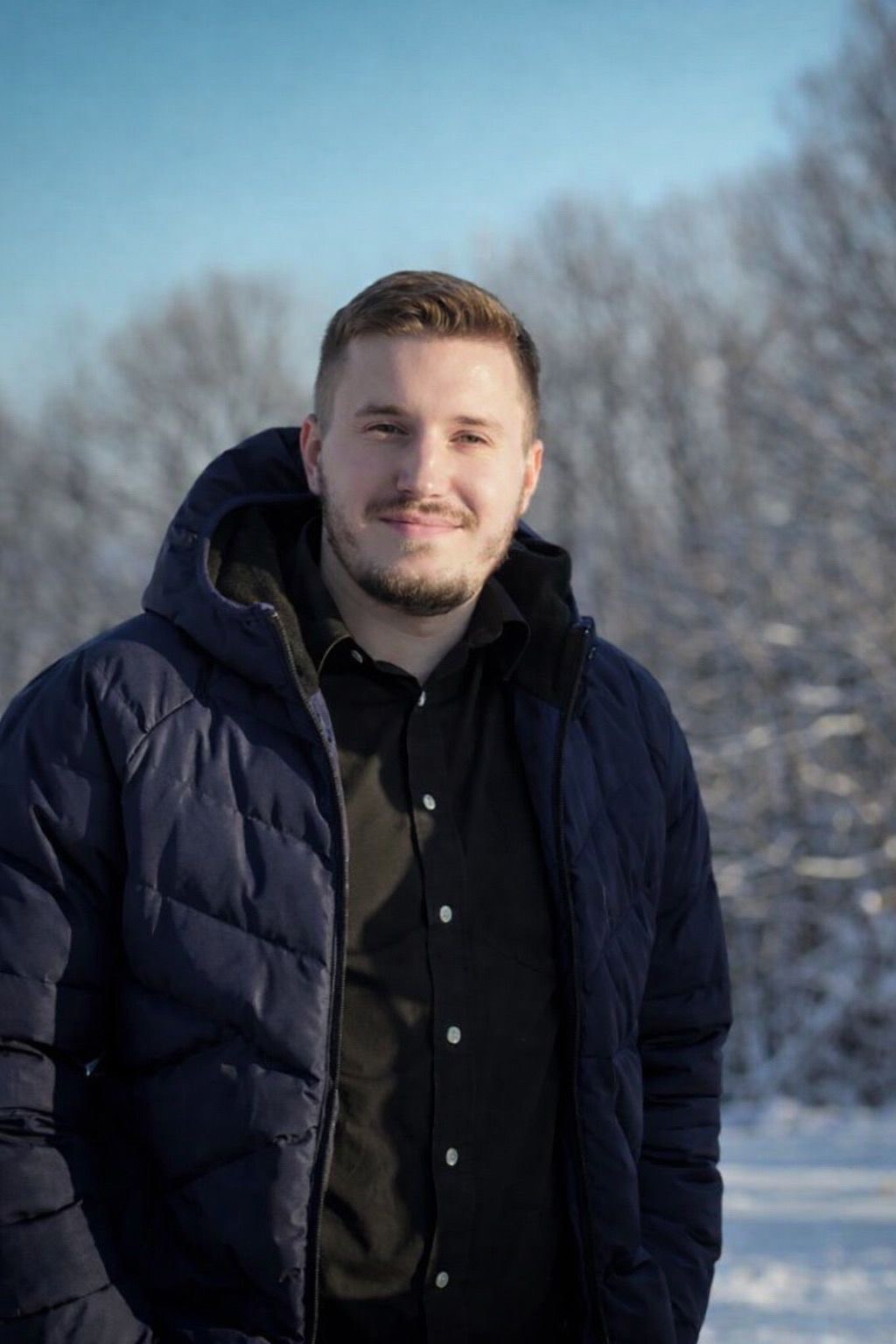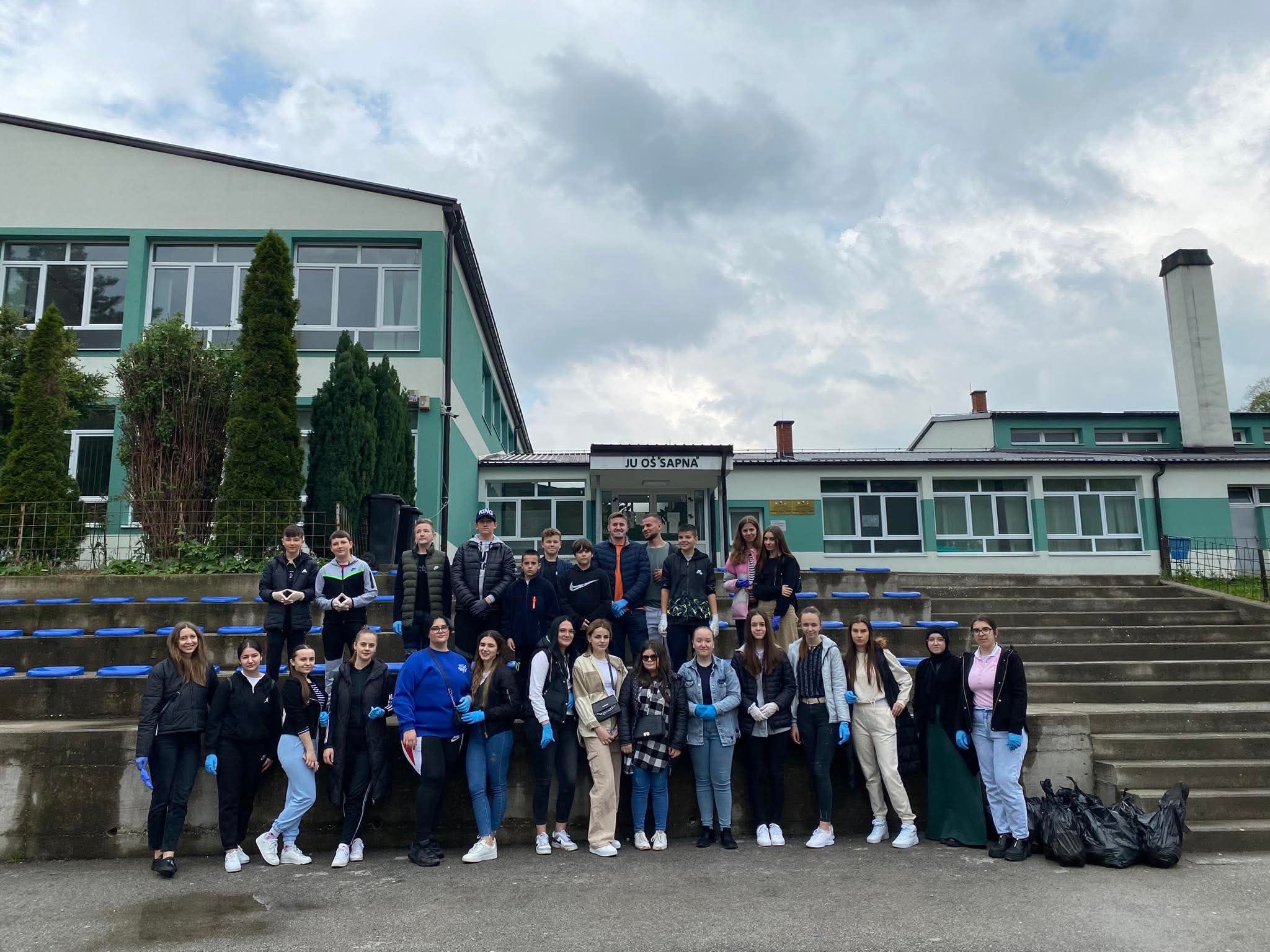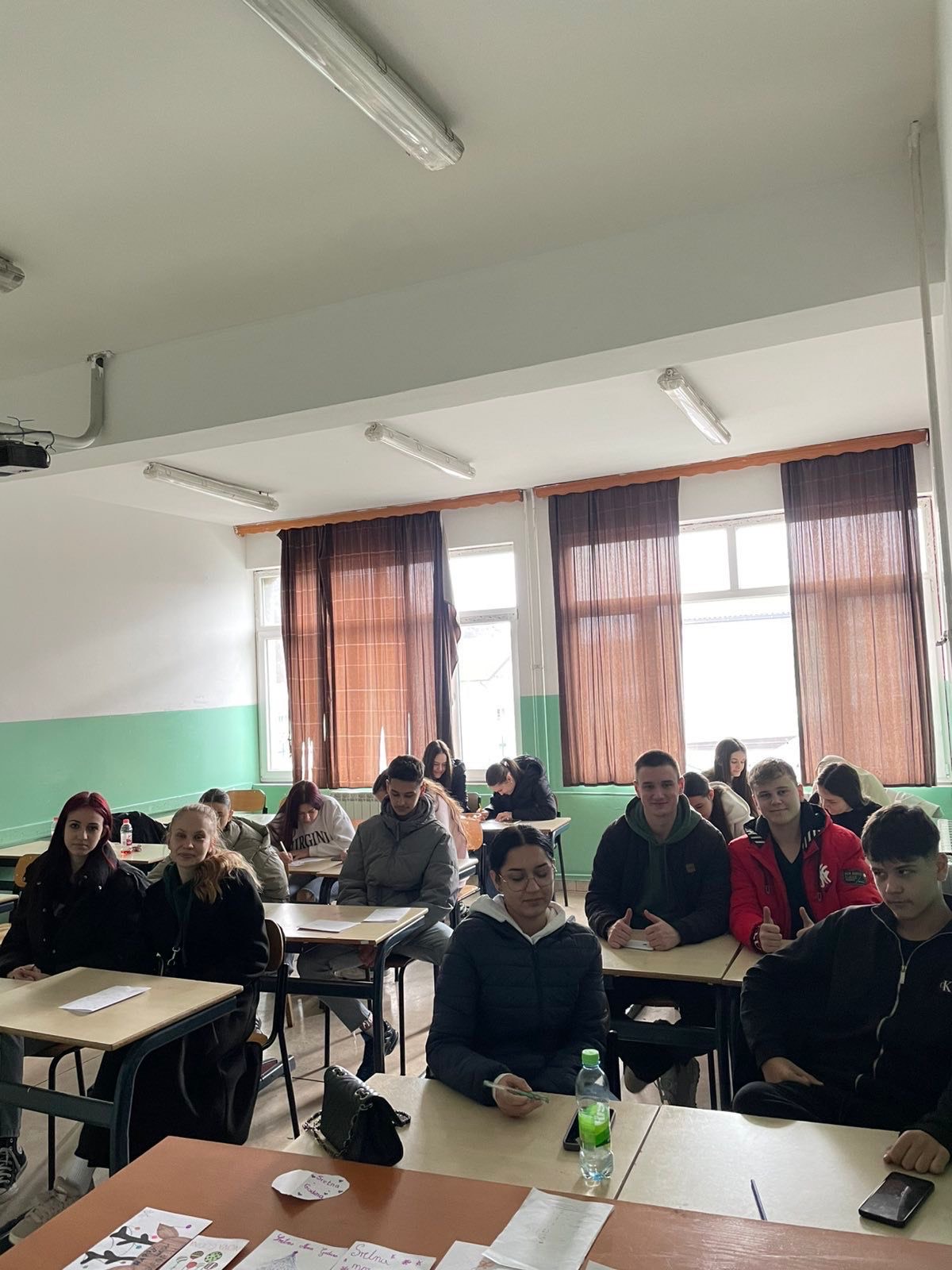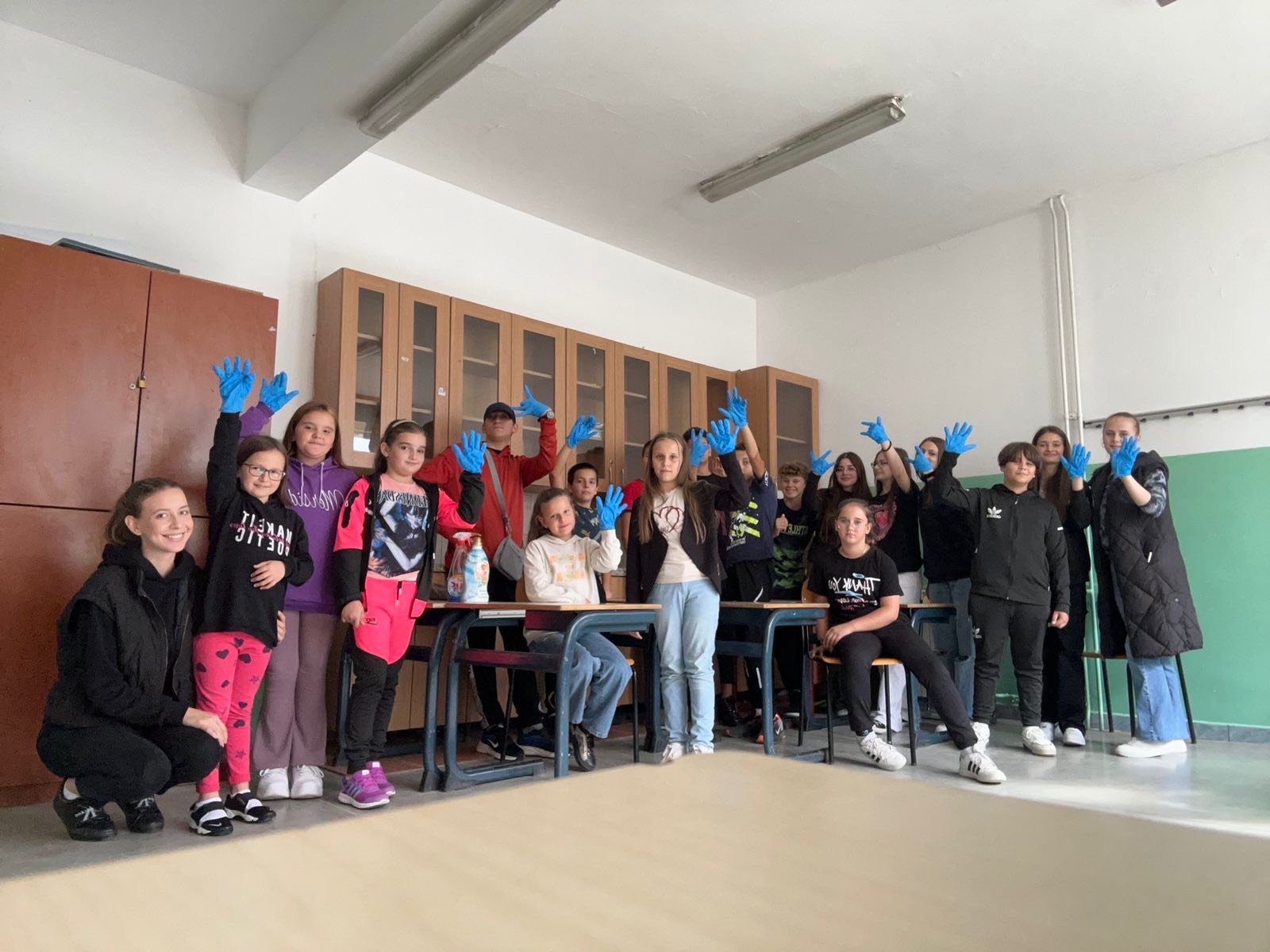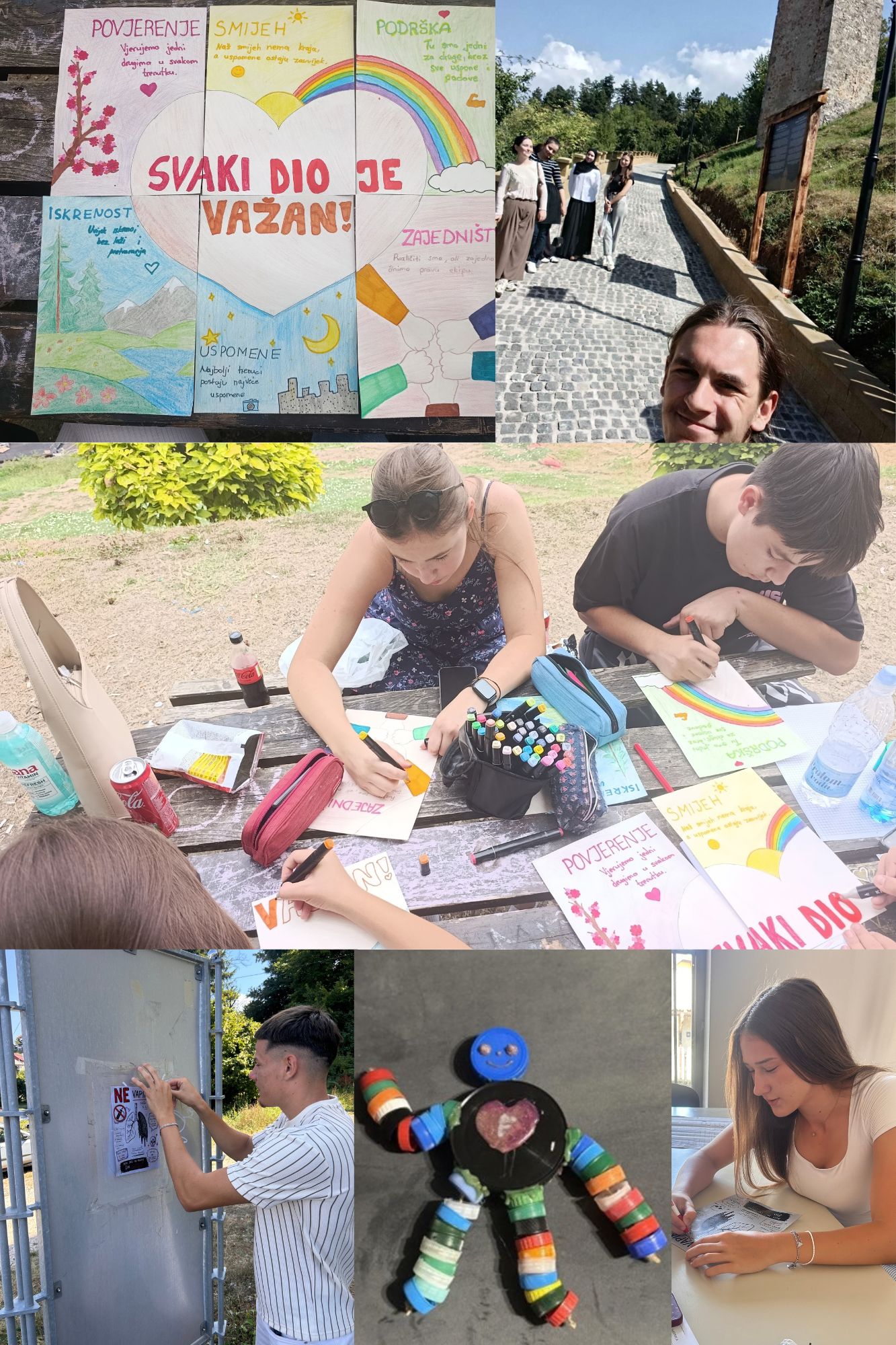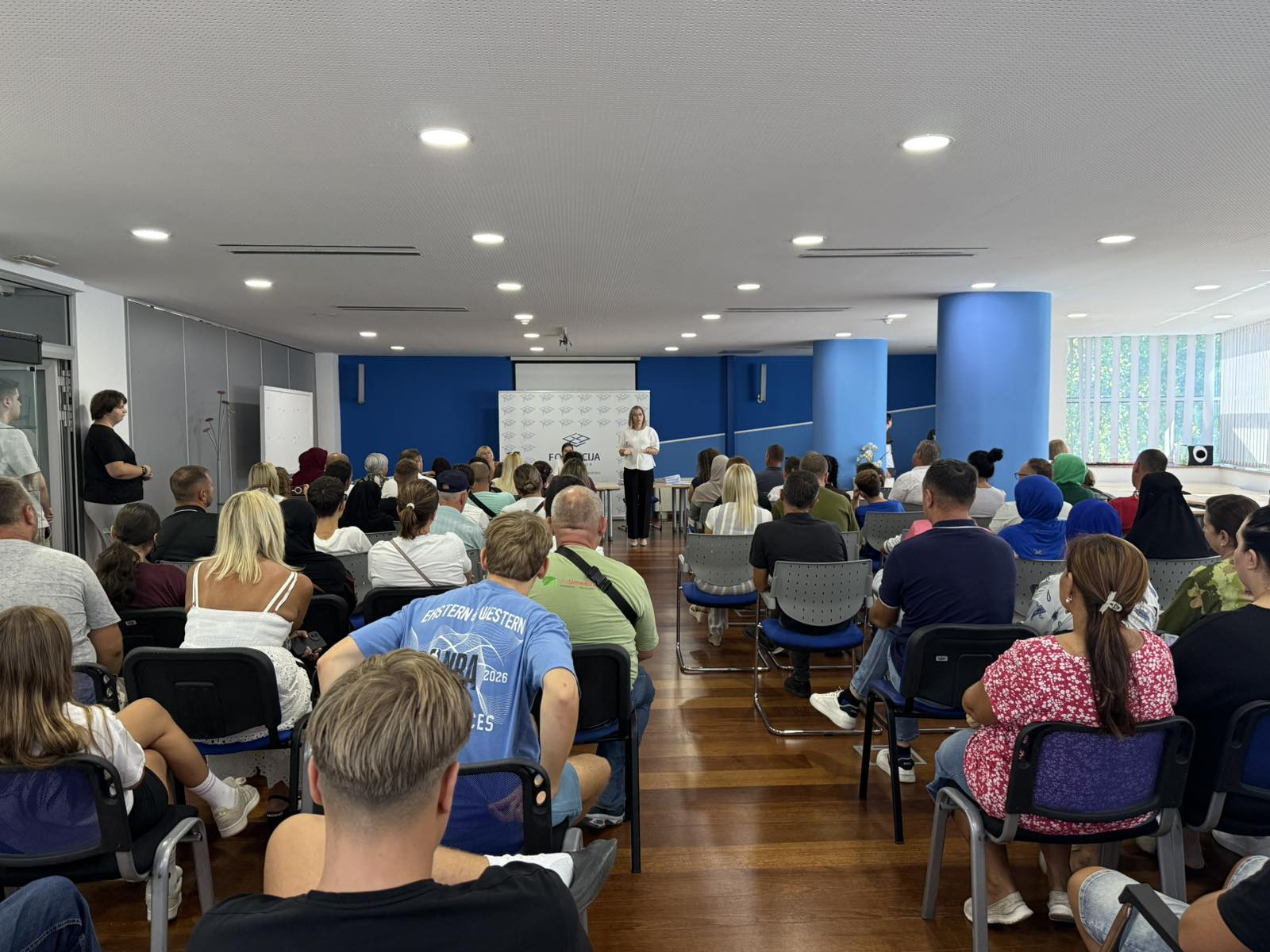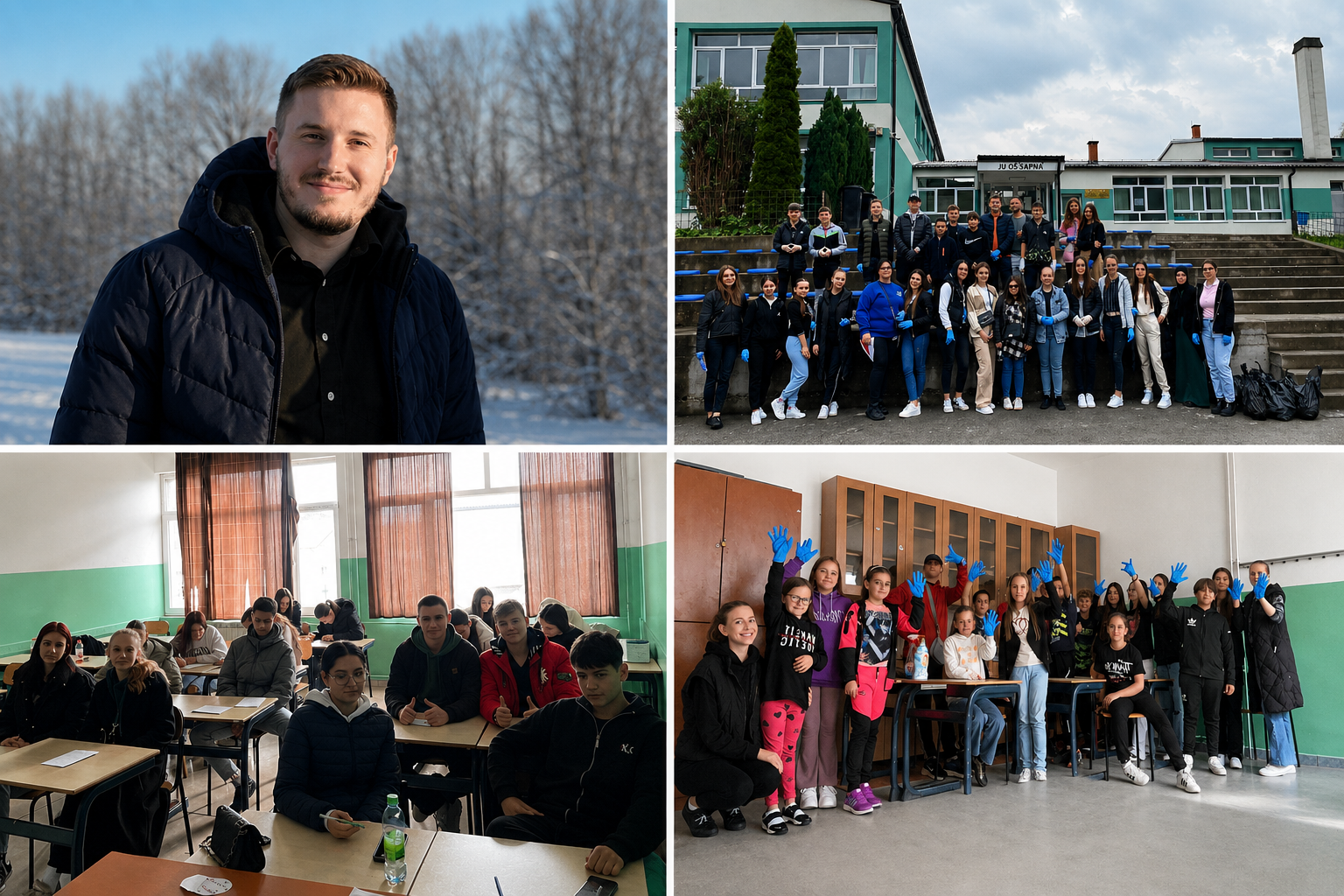
For many, being a student implies balancing between academic and personal obligations. For our scholarship recipient Huso Mehmedović, it means something more, considering that from the very first month of his studies, he took on the responsible role of mentor to elementary and secondary school students from Sapna. Today, Huso is in his fourth year of studies and a proud mentor of two large groups of students, where he strives to approach every volunteer meeting with great care and to create an environment in which younger scholarship recipients gladly enter. Thanks to this atmosphere of mutual trust, support, and motivation, his group records lowest number of absences, which is not a mere statistic, but proof of generations of young people from Sapna who, through joint effort, nurture the vision of the Hastor Foundation.
1. You have been mentoring a large group of students for four years. How would you describe your mentoring experience, and what motivates you most in working with scholarship recipients?
Working with a large group of students is challenging, but at the same time very motivating. The greatest motivation is precisely the opportunity to contribute to the development of young people, that is, to help scholarship recipients master new skills through workshops, solve challenges, and learn something new. I would describe my mentoring experience as valuable and instructive, because it helps me organise myself better and gain experience in working with children.
2. Your groups include more than 40 students, and absences are minimal. How do you manage to motivate students to gladly attend meetings and actively participate?
Students themselves become motivated for workshops if they enjoy them and if they do not feel like they must be there. The key is that they feel the desire to spend time at the workshops and to socialise with other students. One way I achieve this is by giving them partial freedom in creating the workshop, that is, allowing them to choose what they want and do not want to do. For example, each workshop plan consists of several activities that should be carried out during the meeting, but I never strictly follow the plan 100%, because sometimes the activities I designed do not suit the students at the moment. Then I make slight adjustments so that the main goal and theme remain, but the students themselves decide how they will participate. In addition, we organise all workshops so that scholarship recipients interact with the topic through quizzes, games, or competitions, either in groups or individually, so that they actively participate and have fun.
3. Mentoring meetings are often more than formal gatherings. How are they organised to be interesting and useful for students?
When organising a volunteer meeting, I try as much as possible to place myself in the role of a student, since I myself attended meetings organised by other mentors. I know that meetings with interaction among scholarship recipients and fun through games and quizzes are the ones you want to attend and do not see as merely formal gatherings. That is exactly how I approach my workshops – I position myself as their friend, but with enough authority for the meeting to remain on the planned topic. I achieve this by agreeing with the scholarship recipients on what they want to do, whether they will read interesting facts related to the topic themselves, or I will read them, and whether they will answer questions in written or oral form. I offer options, and they choose what suits them better, making the workshop active and adapted to them. In this way, I enable them to participate and feel free, while at the same time achieving the goals of the workshop.
4. Is there a moment or experience with your students that has particularly remained in your memory during these years of mentoring?
There are moments that have particularly stayed in my memory. The first is my beginning as a volunteer mentor. For years before that, I attended meetings as a student, but when I came to my first workshop as a mentor, I had no idea how it felt to lead workshops and communicate with scholarship recipients. While I was reading the Rulebook of the Hastor Foundation and the obligations of scholarship recipients, I raised my head and at one moment realised how it looks from the other perspective – 20 to 25 elementary school students sitting in front of me and listening attentively. That look of theirs has remained in my memory.
The second moment is the end of one workshop, where the scholarship recipients did not ask for breaks nor when they would go home, but instead participated fully and did what was planned. When I said at the end that we were going home, I heard reactions that they were sorry the workshop had ended and questions about when the next meeting would be. Such moments, for me as a mentor, provide a sense of fulfilment – in those moments I know that I am doing the job properly and that what I provide to the scholarship recipients truly has meaning.
5. What would you say to scholarship recipients who are about to begin their mentoring journey in the Hastor Foundation?
To scholarship recipients who are just beginning their mentoring journey, I would say to use every opportunity for learning and socialising. It is important that they are curious, ask questions, and are not afraid of mistakes, because it is precisely through them that they learn the most. Also, active participation in workshops works in their favour – in that way, they build themselves, gain experience that will certainly be useful to them one day, and gradually step into the role of a teacher or professor, which is a valuable experience and a beautiful story. And let them know that through interaction and joint work, the experience becomes unforgettable.