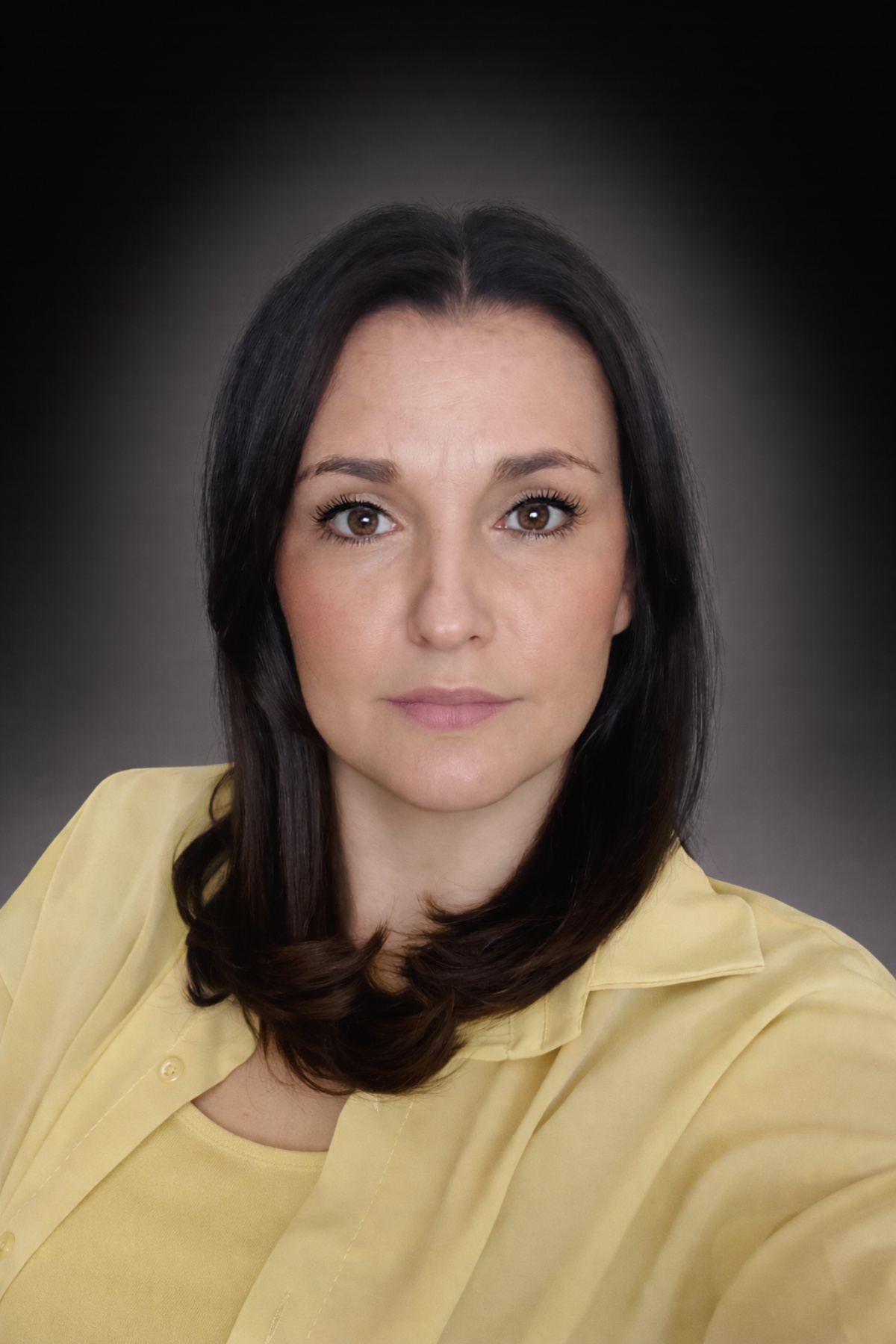
- To begin with, could you introduce yourself and tell us a little more about yourself, your work so far, and the path that led you to becoming a teacher?
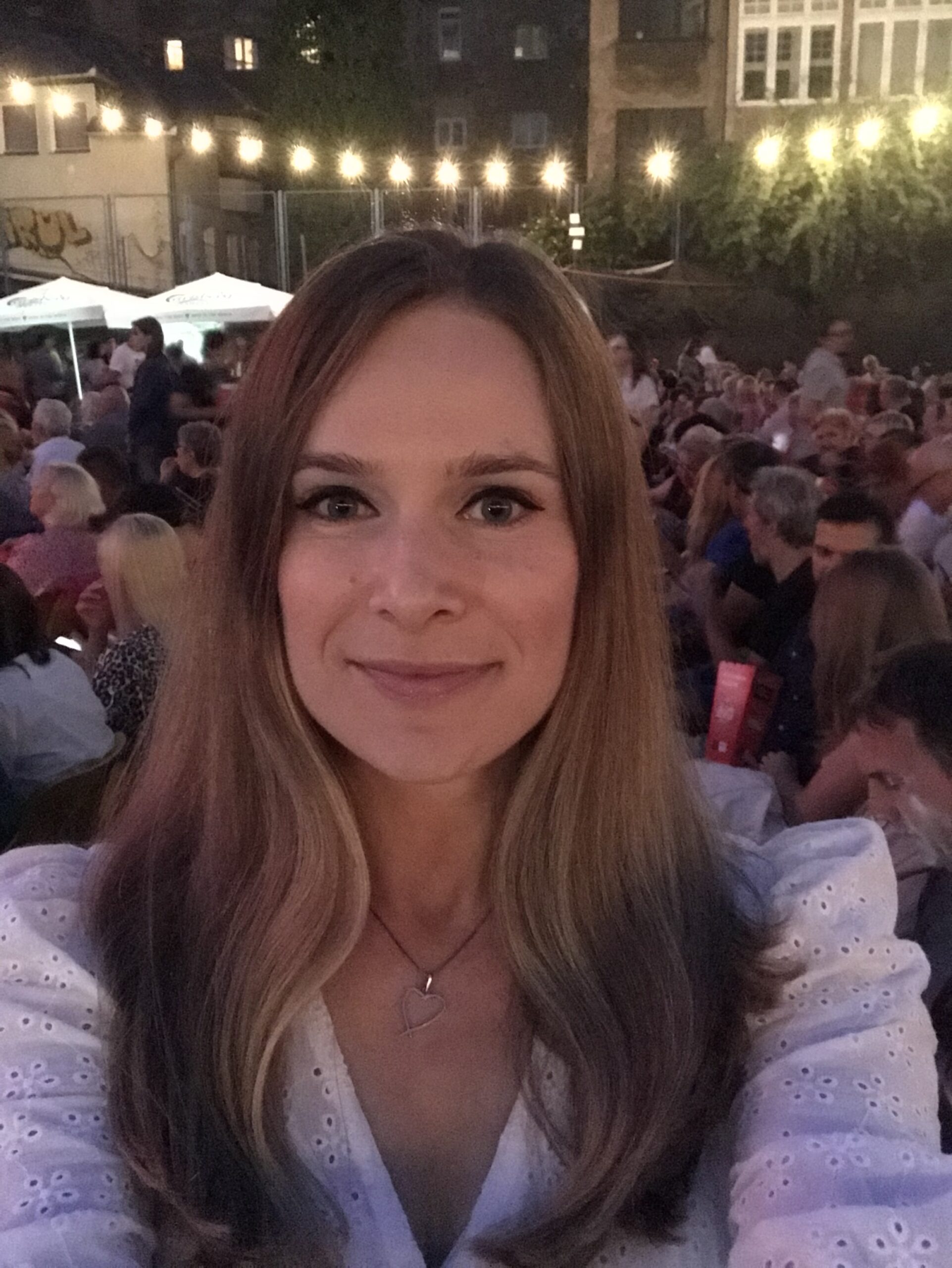
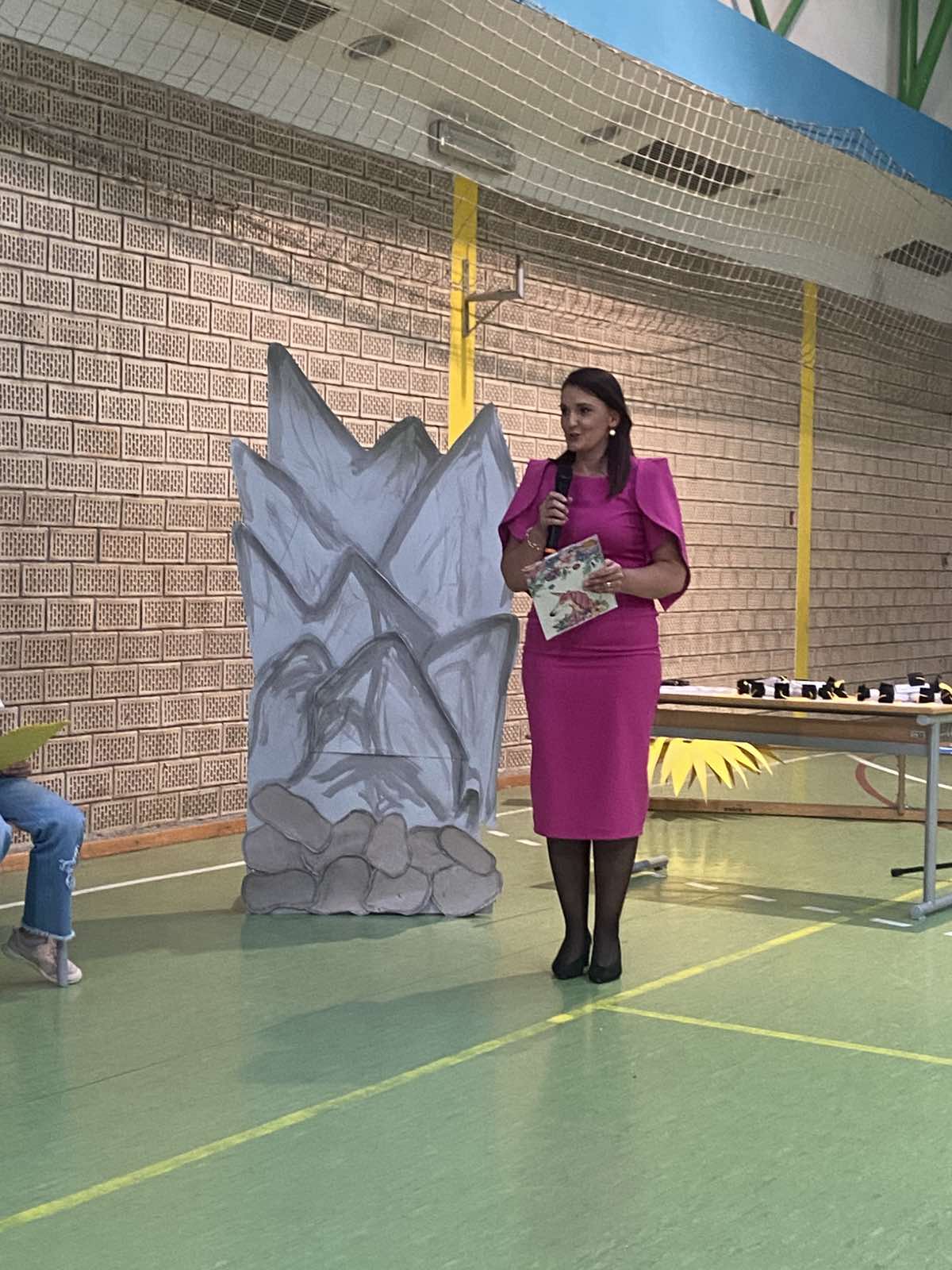
My name is Aida Gradaščević. I live and work with my family in Ilijaš as a teacher. From an early age, I knew what I wanted to be. I remember the wartime period; I was in the second grade, and for days I played “teacher” with my cousins. I insisted on playing that game. Becoming a teacher is the fulfilment of my childhood dream. My teachers Dubravka and Luca had a special influence on me. I remember them fondly and am immensely grateful to them for remaining professional, optimistic, approachable, and empathetic even in the midst of the war. Throughout my schooling and further education, I dedicated myself to becoming like them.
- The beginning of a new school year is a special period for both teachers and students. How do you prepare for the start of a new school year, and what is most important for you to prepare before the students arrive?
This year, I am taking on first-graders again, and I am especially looking forward to it. First grade means a new beginning for a teacher – a new group of little people whom we will get to know, teach, and watch over the coming years as they grow from uncertain first-graders into independent students. Before the start of the new school year and before the students arrive, the most important thing for me is to get a good rest, so that I can enter the new school year feeling relaxed, full of enthusiasm, and ready for all the games and jokes that are an integral part of every teacher’s day. When it comes to preparation at school, I like everything to be ready on time, for the classroom to be tidy and decorated, and for the environment to be adapted to learning and growth. Especially when first-graders are arriving, I want them to be welcomed by a beautiful, cheerful, and child-friendly space. The environment is very important to me, but I believe it is much more important to plan in advance how and through which techniques I will build our small classroom community from the very first day.
- First grade is a major change in every child’s life. How can future first-graders best be prepared for starting school and helped to overcome any possible fear or nervousness?
First and foremost, school should be presented to them as a beautiful and safe place, but we should not create an unrealistic picture that school is only about play and fun. At school, we will play, socialise, laugh, and create beautiful memories, but we will also learn, complete tasks, listen to one another, and follow rules. I always advise parents not to burden their child with questions about whether they know how to read, write, or do maths before starting school. It is much more important to me that a child can put on their jacket by themselves, pack their things, go to the toilet, open their snack, listen to a simple instruction, wait their turn, and try to finish what they have started. And one more very important thing – a child should never be frightened with school or the teacher. Sentences such as, “Just wait until you start school,” can cause much more harm than adults realise. A teacher is not someone a child should be afraid of. I want my students to respect me, but I do not want them to be afraid of me.
- The first months of school are often challenging. Based on your experience, what is most important in helping a child adapt as easily as possible to the new environment, responsibilities, and school routines?
Love and consistency. Children are very good at sensing a teacher’s love, empathy, and care. This is “fertile ground” for their growth and learning. When I say love in this context, I mean mutual appreciation and respect between students and their teacher. Children also accept routines very quickly when the rules are clear and when adults do not change them from day to day. First-graders need time to learn to sit for a certain period, listen to instructions, wait their turn, prepare their school supplies, complete a task, and take care of their belongings. We cannot expect them to know all of this on the first day. That is precisely why the first months are not a time for learning letters and numbers, but a time of intensive learning of school habits. I believe that all children can do much more than adults sometimes allow them to. Therefore, I believe that we should not give up on some of the expectations we set for a child as soon as they say they cannot do something. In such situations, we should offer partial help, show them once again, encourage the child, and give them time to try and, ultimately, do it themselves.
- How important is cooperation between teachers, parents, and students in creating a positive attitude towards school and learning?
It is extremely important, if not the most important thing. A child very quickly senses when a parent and a teacher are sending different messages. We do not always have to agree on everything, but it is important that there is mutual trust and open communication. Both the parent and the teacher have the same goal – the child’s well-being. I consider it particularly important that adults resolve any disagreements between themselves, in separate rooms intended for parent-teacher meetings, without involving the child in the conflict. A parent’s authority should not be undermined in front of the teacher, just as a teacher’s authority should not be undermined in front of the child. When a child sees that the adults who care for them cooperate and respect one another, they also feel safer.
- Do you have any special advice or a little “secret” from your experience that could help parents and children start the school year with more confidence, motivation, and joy?
My little “secret” is actually very simple. Since children are still young, I tell them to let themselves enjoy learning, and I tell parents to let teachers do their job. They know exactly when they can do something on their own and when they need you. Do not seek perfection; set small goals that are easily achievable, put in the effort, and expect progress. A child who knows that they are allowed to make a mistake finds it easier to dare to try again. But equally, a child needs to learn that “I don’t know” is not the end of an attempt and that you do not give up on a responsibility as soon as it becomes difficult. Praise the effort: “I can see that you tried,” “You did this better today than yesterday,” “It wasn’t easy, but you didn’t give up.” Such sentences build much healthier self-confidence than constantly convincing a child that they are the best at everything.
- Finally, what message would you send to all students, especially first-graders, who are taking their first big step into school life this September?
Dear first-graders, a completely new chapter is ahead of you. At school, you will learn many things – new letters, numbers, words, stories, and interesting things about the world around you. But you will also learn some much bigger things: how to be a good friend, how to help someone, how to admit a mistake, how to try again when something does not work out, and how to be proud of what you have achieved through your own effort. You do not have to know everything on the first day. In fact, you are coming to school precisely because there is still so much you do not know. Ask when something is not clear to you. Be curious. Take care of your friends. Listen to your teachers and parents, but gradually learn to take care of your own responsibilities as well. And we adults have one important task – to help you become, one day, not only successful students, but above all good, independent, and responsible people.
Good luck, first-graders! May your first steps at school be the beginning of a beautiful journey.