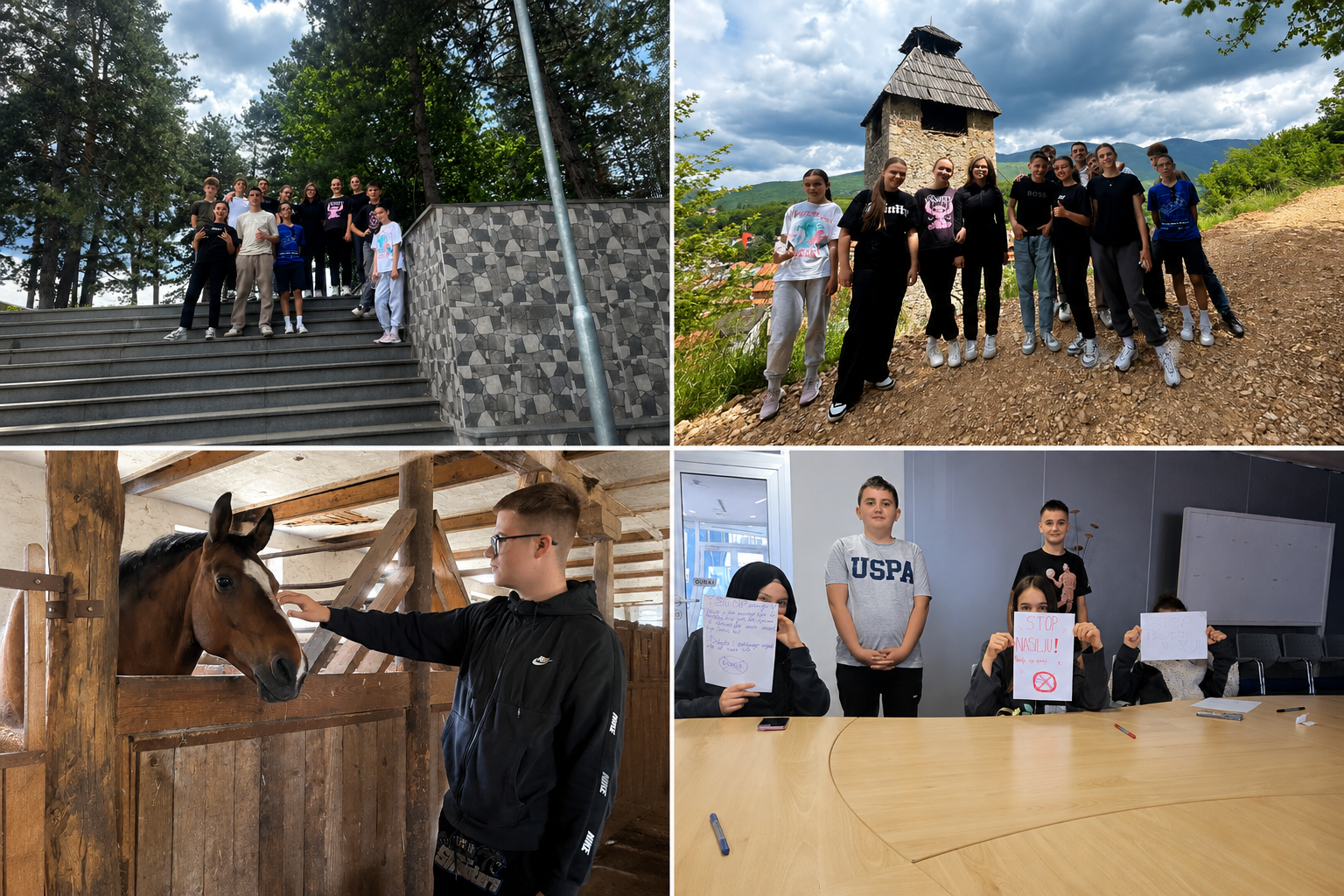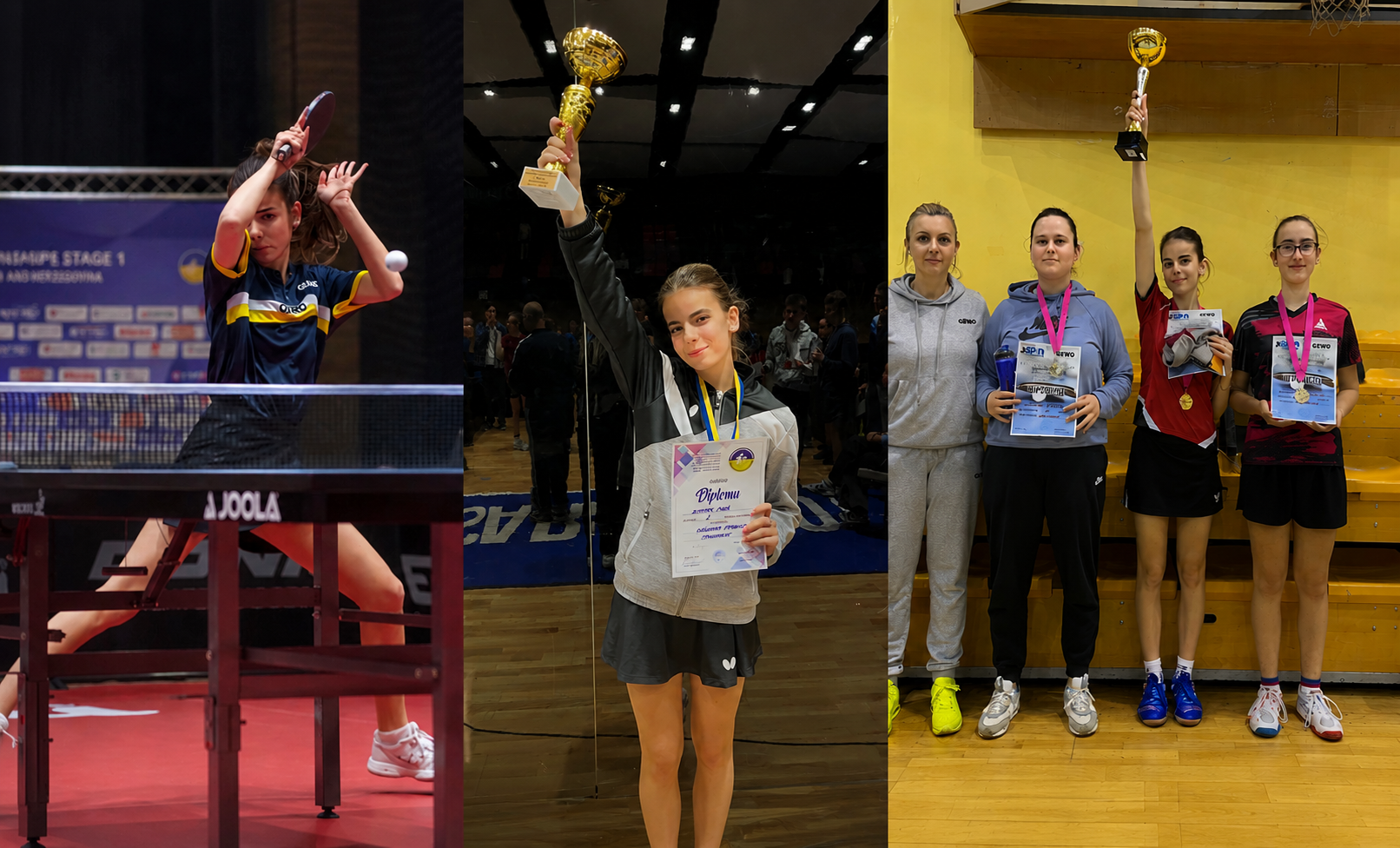

One of the projects that marked the year 2025 at the Hastor Foundation, among many others, is certainly the documentary series “With proud steps through BiH”. The Hastor Foundation launched this series with the aim of promoting the natural beauties of Bosnia and Herzegovina, its human potential, and the opportunities that are offered so that young people would see that they can build their future in our country. The Hastor Foundation team has completed the first season, and on that
occasion, the January interview of the month will be dedicated to Hana Kazić Sulić, our scholarship recipient, as one of the key members behind this project.
1. How did your involvement in the filming and editing of the first season of the series “With proud steps through BiH” come about, and what was your first impression of the project?
I became involved in the project at the initiative of the editor and host of the series “With proud steps through BiH”, Dženana Zulum. I was among the first to whom the concept was presented, and I immediately received the question of whether I would like to participate in the realization of such a significant project, with responsibility for filming and editing. My first impression was extremely positive. I liked the idea of the series because, creatively and credibly, it presents the cultural heritage and beauties of Bosnia and Herzegovina, as well as the potential of our country. I was especially motivated by the fact that the project has a clear message – to show positive examples and to encourage young people and motivate them to stay and build their future here.
2. What were your specific tasks during filming and editing, and what did the fieldwork across Bosnia and Herzegovina look like?
My specific tasks during work on the series encompassed the entire process of filming and editing. Before each filming session, it was necessary to thoroughly research the city and surrounding places so that we would be as well prepared as possible; to familiarise ourselves with the environment, plan shots, and design the visual approach for each episode in advance. During the filming itself, in addition to video material, an important part of the work was sound recording. We had to take care of the ambience and conditions in the field so that the voices of the guests and the host would remain clear and understandable. In addition to interviews, we also filmed additional shots, so-called cutaways and atmospheric scenes, which later helped in building the overall story. After the field part, editing followed, which included selection of material, assembling the narrative, colour grading, processing and cleaning the sound, searching for appropriate music for each episode, as well as recording and adding additional voiceovers. Each episode required a careful and creative approach so that the result would be dynamic and content-wise complete.
3. What represented the biggest challenge for you in the process of filming and editing, and what would you single out as the most beautiful part of that experience?
The biggest challenge in the process of filming and editing was the demanding pace of work, especially travelling to different cities and organising filming within a limited time frame. It was often exhausting to coordinate logistics, filming schedules, and technical conditions in the field, but we tried to turn every challenge into part of the creative process. The travels themselves, despite the fatigue, were interesting because during them we had the opportunity to plan shots and exchange ideas. From the editing side, the biggest challenge was to make a meaningful and dynamic whole out of a large amount of material, while preserving the authenticity of the stories and the atmosphere of each city. It was necessary to carefully choose shots, music, and the rhythm of the episode so that the final recording would be high-quality and interesting to viewers. As the most beautiful part of the experience, I would certainly single out meeting the guests and visiting different places across Bosnia and Herzegovina. Each city carried its own special energy and story, and the opportunity to get to know them better and present them through the series was extremely inspiring. Precisely those encounters with people, new acquaintances, and the feeling of jointly creating something valuable made the entire project unforgettable.
4. How significant was the support of the Hastor Foundation for the realisation of the series, and what do such projects mean for young people who want to professionally develop in the field of media?
The support of the Hastor Foundation was crucial for the implementation of the entire series. Without their support and trust, such a project would have been much harder to realise, especially in production terms. They enabled us with funds, organizational support, and space for creative expression, which is extremely important for young authors. Such projects are of great importance for young people who want to professionally develop in the field of media; they provide an opportunity for practical experience, teamwork, and direct contact with video production. Through work on the series, we had the opportunity to learn, research, develop new skills, and build a professional approach to work. Also, such projects give young people self-confidence and a sense that their work has real value and visibility. The Hastor Foundation recognised the potential of young creatives and enabled us to turn our ideas into a concrete and socially significant project, which was invaluable for our professional development.