In a time in which solidarity is often reduced to a post and empathy to a passing reaction, it is rarely spoken about those who quietly, without an audience, choose to be present. The Hastor Foundation turns precisely that silence into action, into carefully organised support, into voices that speak without words, into small communities that connect again and again. Behind the calendar of activities and administrative announcements are hidden stories that do not fit into The table: stories about learning, responsibility and empathy. The review of January’s volunteer activities opens up exactly that space – a space where volunteering becomes an experience that changes both the volunteers and those to whom the help is intended.
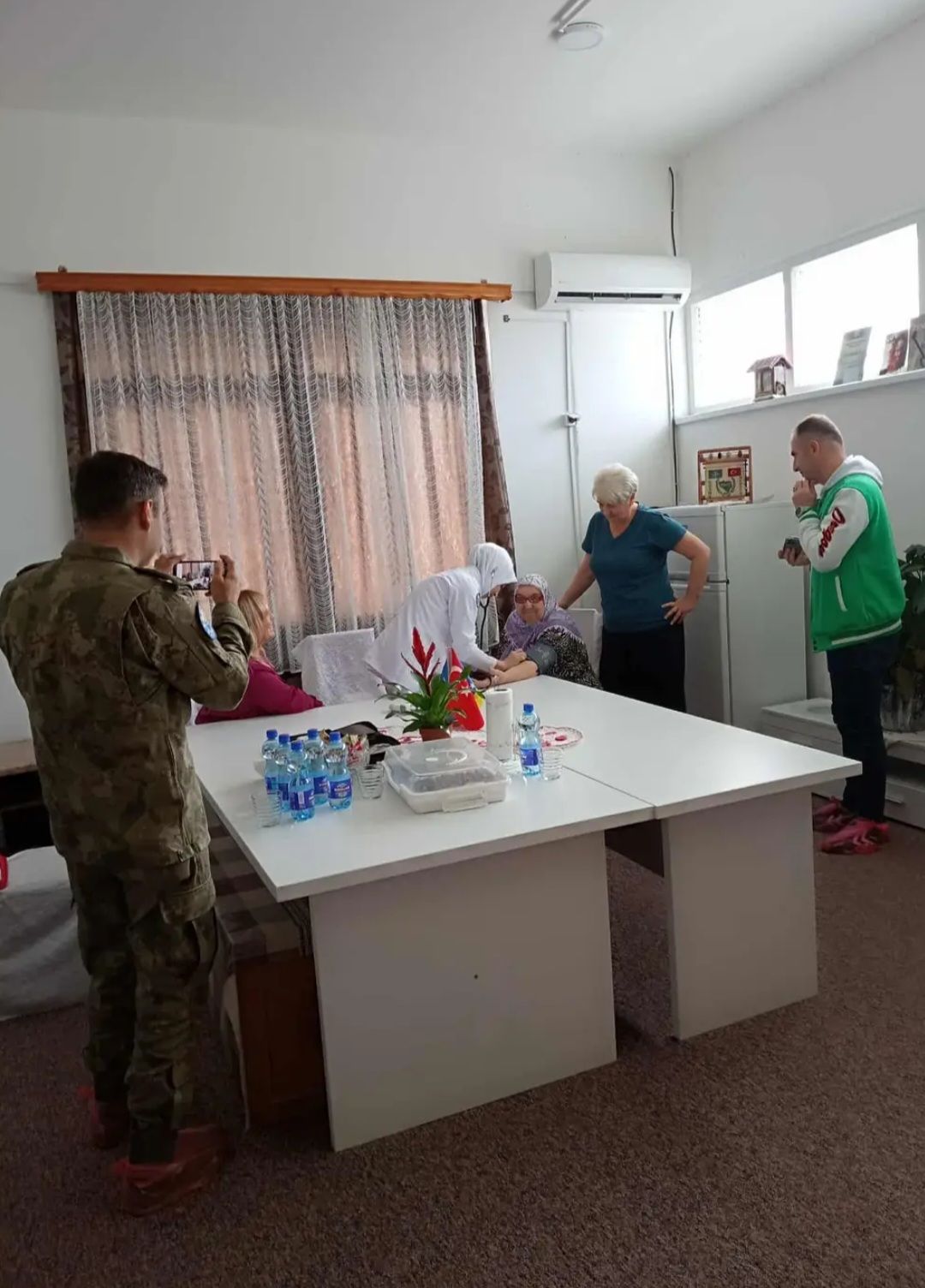
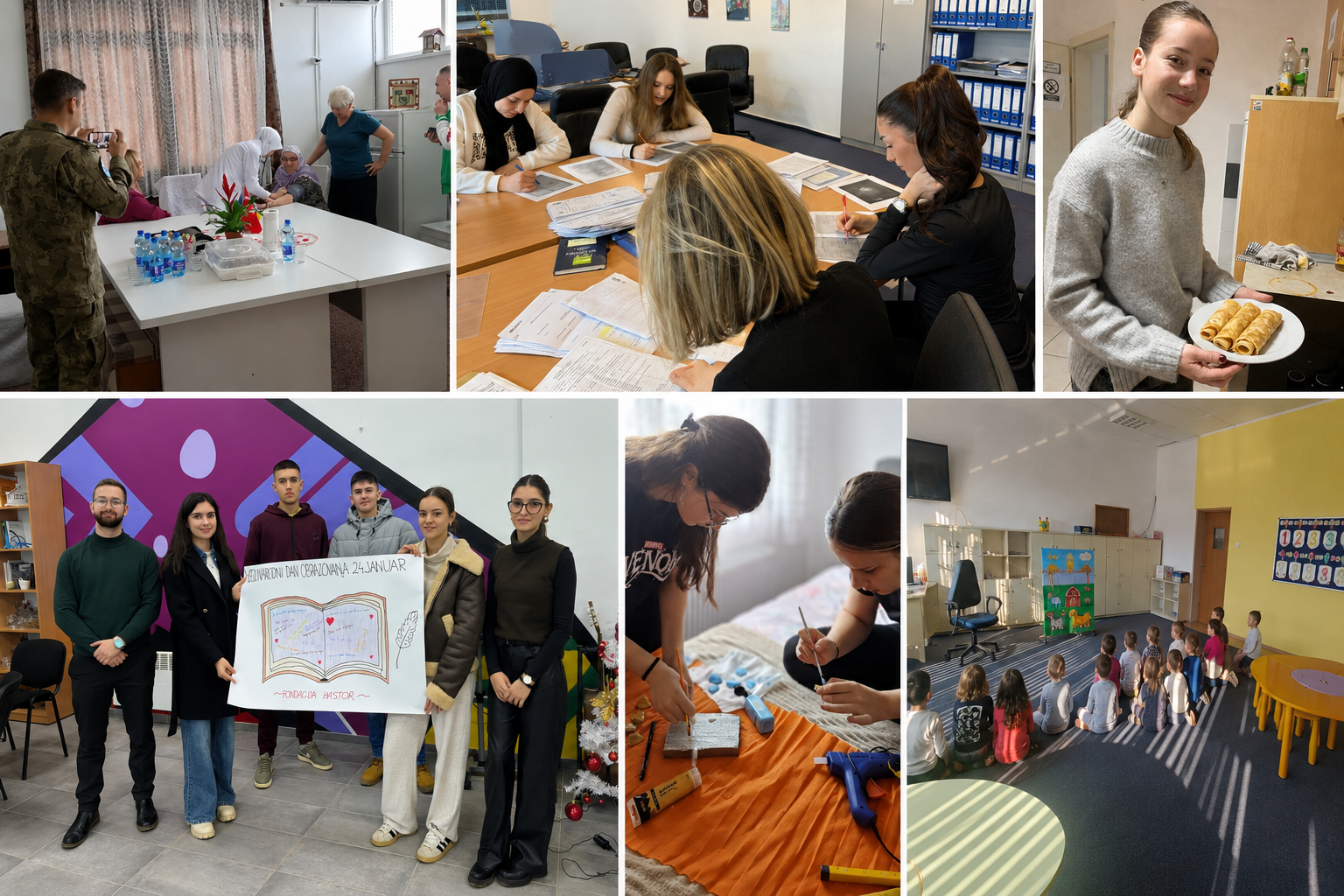
Volunteer activities are realised in different cities of Bosnia and Herzegovina, from Sarajevo, Zenica and Tuzla, to Foča, Kalesija and Derventa, but they are connected by a common thread: real involvement in the community and a concrete contribution to the everyday life of people.
In Sarajevo, volunteers through educational workshops entered into the world of sign language, getting acquainted with the basics of communication of deaf and hard-of-hearing persons. Through interactive work, visual demonstration and exercises in pairs, they learned how to greet, introduce themselves, express emotions and basic needs without words. These workshops were not only a lesson in language, but also lessons of patience, attention and understanding, a reminder that communication does not begin with speech, but with listening and empathy.
In the same city, but totally different context, volunteering took on a humanitarian dimension. Through sorting, stacking and packing donated clothes and necessities, volunteers become part of a chain that enables help to reach socially vulnerable people. It is about work that often remains invisible, but without which no humanitarian action could function.
Zenica was the place where volunteering took place in the heart of the community, in the community centre. After the renovation of the space, the volunteers devoted themselves to its fundamental cleaning and decoration, taking care of every room, corridor, and sanitary facility. Although physically demanding, this activity carried a strong message: taking care of the common space means taking care of the people who use it.
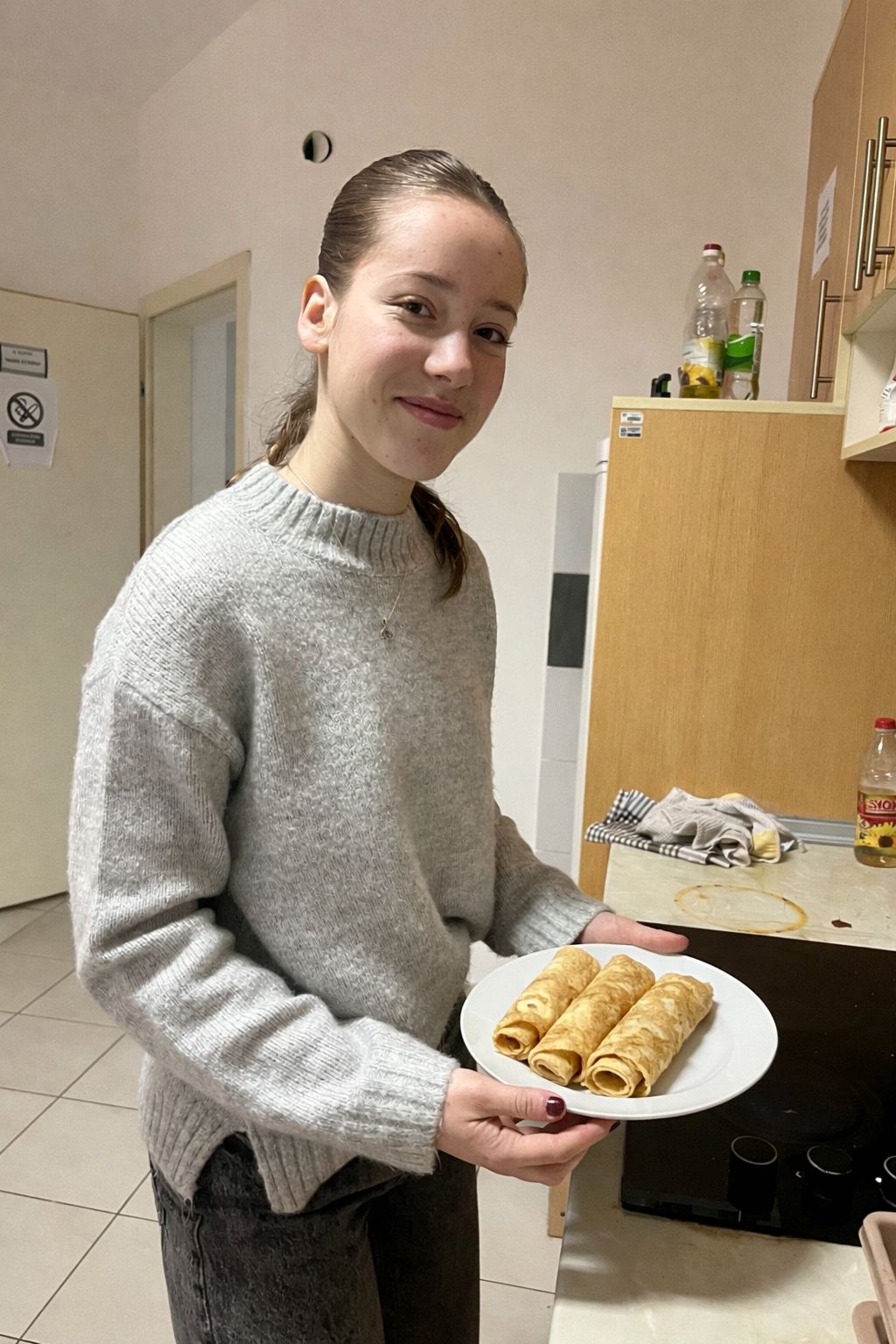
In Foča, volunteering took on a warm, almost family atmosphere. In the student centre, the volunteers, in addition to cleaning the common rooms, decided to do something more: prepare pancakes for the students who are preparing for the exam period in the reading room. That simple gesture turned into a moment of rest, conversation, and support, reminding us that volunteering sometimes just means being there and understanding someone’s fatigue.
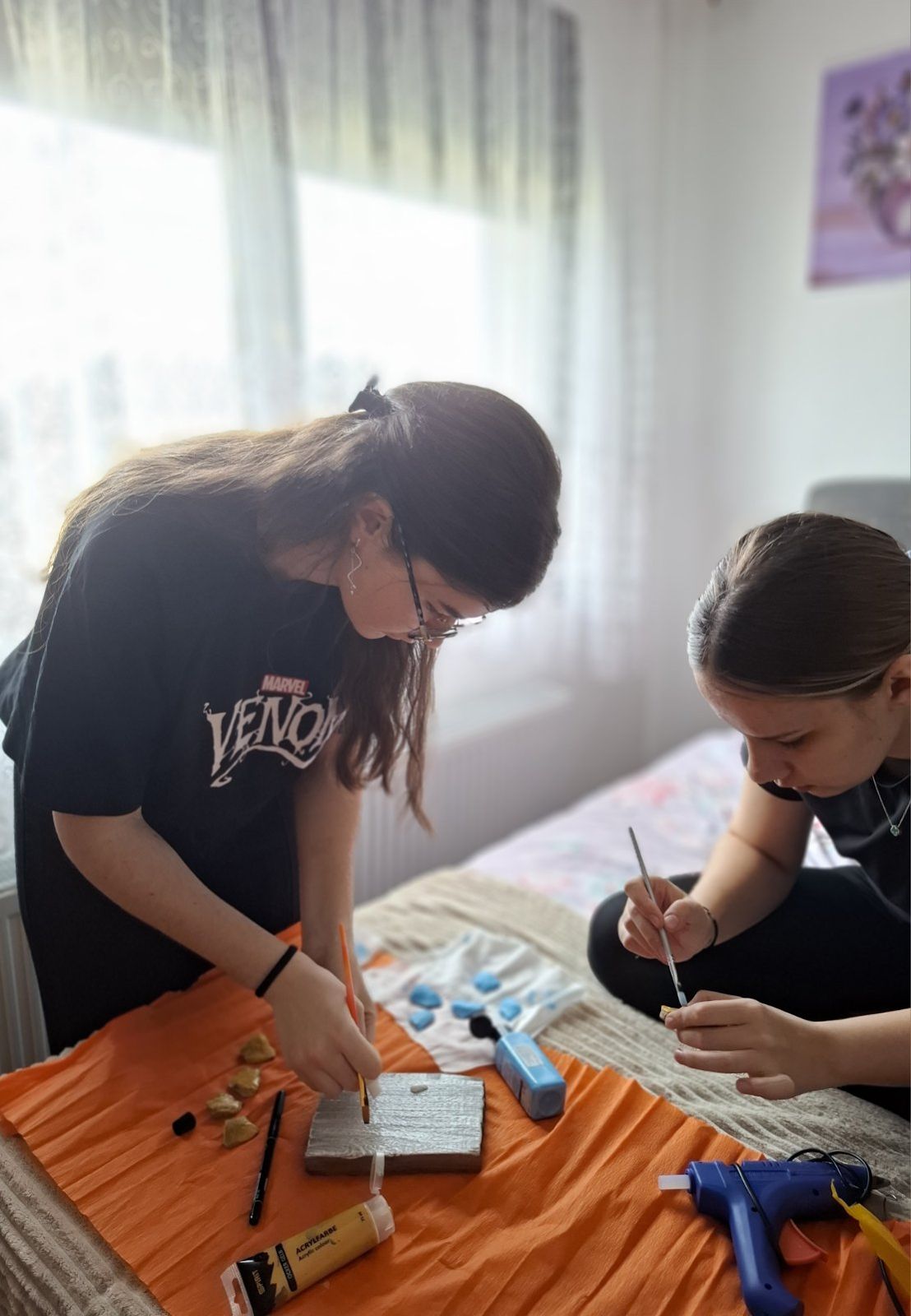
A special focus of the January activities was aimed at children and young people. In Derventa, through creative work-shops, toys were created from recycled and non-recycled materials. This process developed not only creativity, but also a sense of empathy, social responsibility and pride in creating something beautiful for others. The final discussion and reflection further strengthened the message that even small ideas can have great significance.
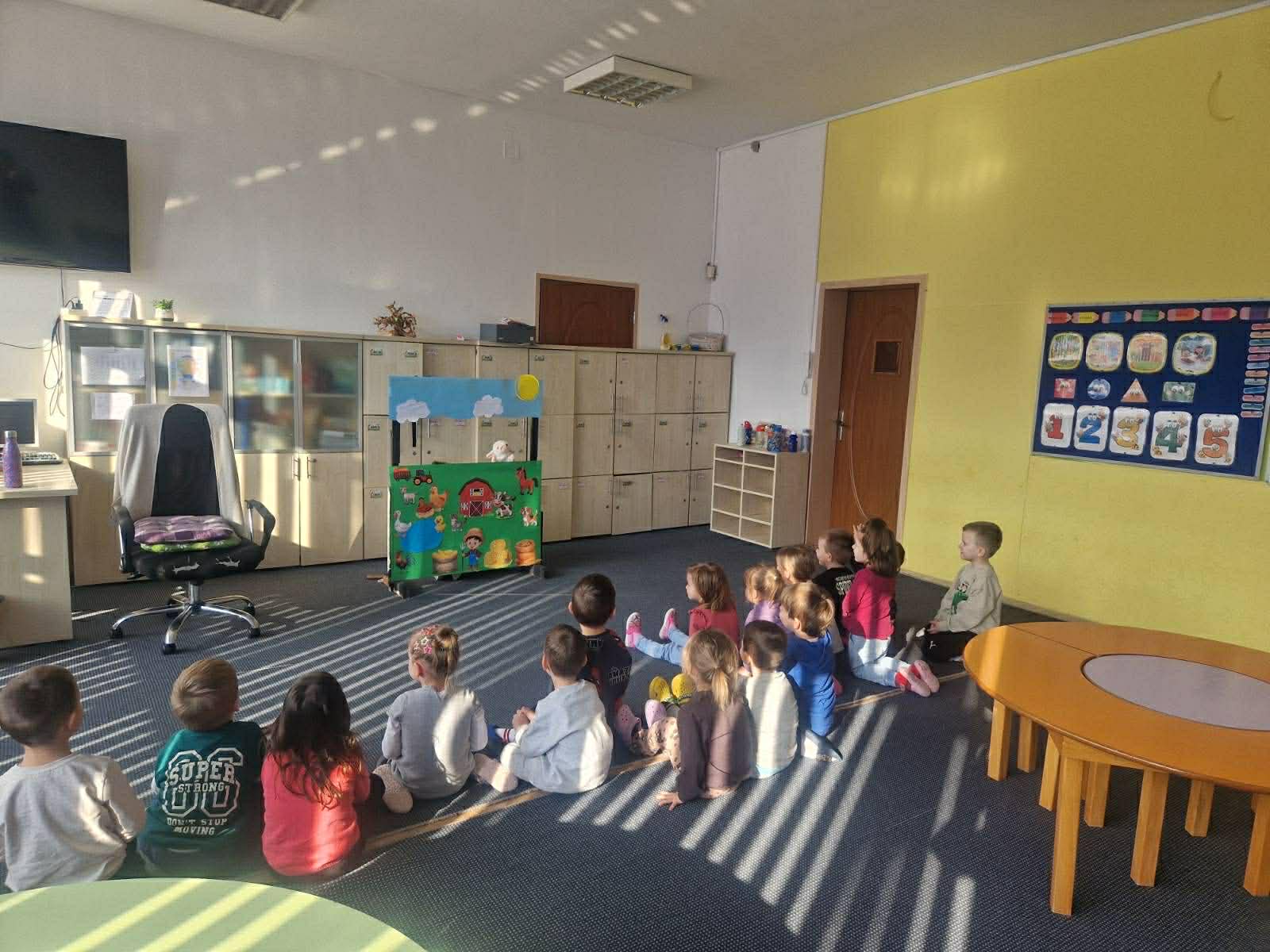
In Zenica, volunteers stayed at the kindergarten, bringing extra warmth, attention, and play into the daily lives of the youngest. Through socialis-ing, creative activities, and conversation, an atmosphere of safety and acceptance was created. This kind of volunteering demonstrates that help is not always material; sometimes it is time, a smile, and presence.
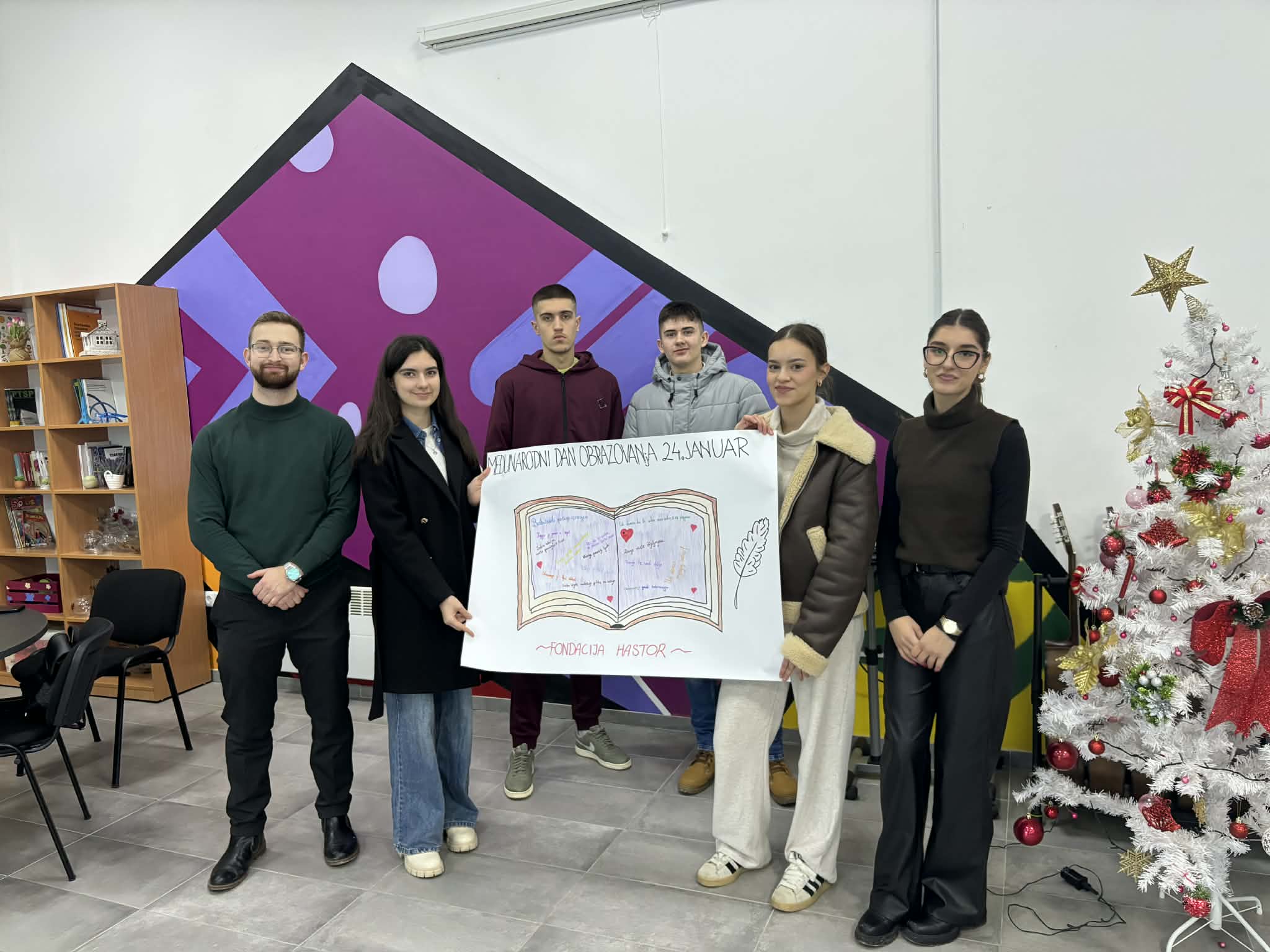
Kalesija commemorated the International Day of Education through a series of interconnected activities. Making panels, promotional materials for the local youth association, and an educational quiz reminded us that education is the foundation of personal and social development, as well as a responsibility shared by all. The activities offered an opportunity to learn while fostering social engagement and cooperation within the community.
In Tuzla, volunteering also adopted an ecological focus. Therinitiative “Restau-rant for birds” combined creative work, education, and cate for biodiversity. Making feeders, informing citizens, and an interactive quiz outdoors demonstrated how young people can actively participate in preserving nature and, at the same time, educate the community.
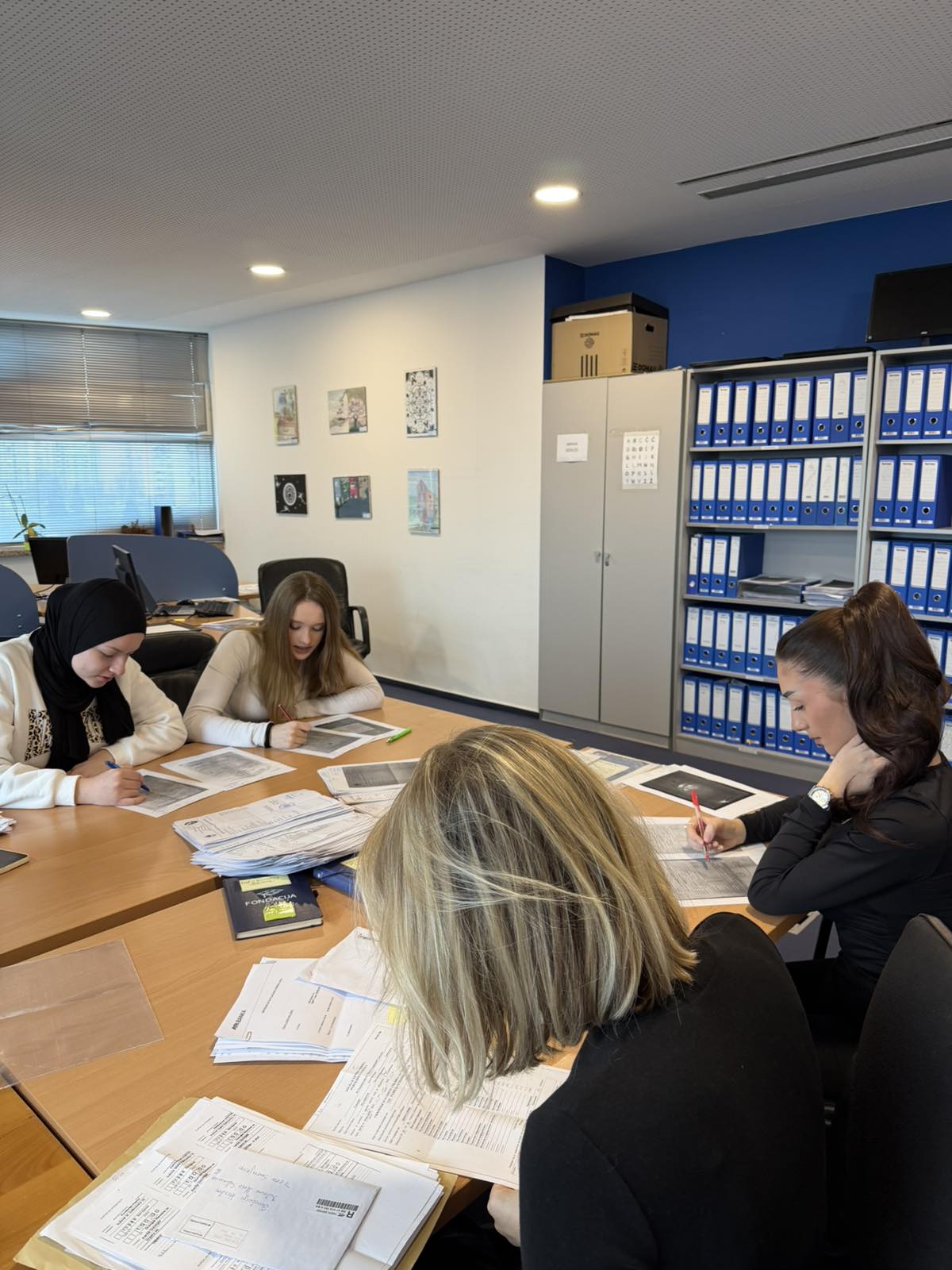
It is important to mention that our volunteers this month were also a vital part of the work at the Hastor Foundation office. With a high level of responsibility and empathy, they contributed to various administrative tasks, from coordinating telephone communications to recording protocols and processing final grades for scholarship students at the end of the first semester. Through meticulous work, friendly communication, and a willingness to assist, they served as a crucial link between the Foundation and its scholarship students, as well as all others interested in our work.
When considering all these examples together, it is evident that volunteering at the Hastor Foundation takes many forms and cannot be confined to one definition. It occurs in classrooms and hom- es, in kindergartens and student centres, in parks and warehouses. It is a blend of work, learning, play, and solidarity.
For those contemplating volunteering, these activities provide a clear answer to the question “What does volunteering truly mean?” – it means being present, taking responsibility, and leaving the community at least a little better than it was yesterday.