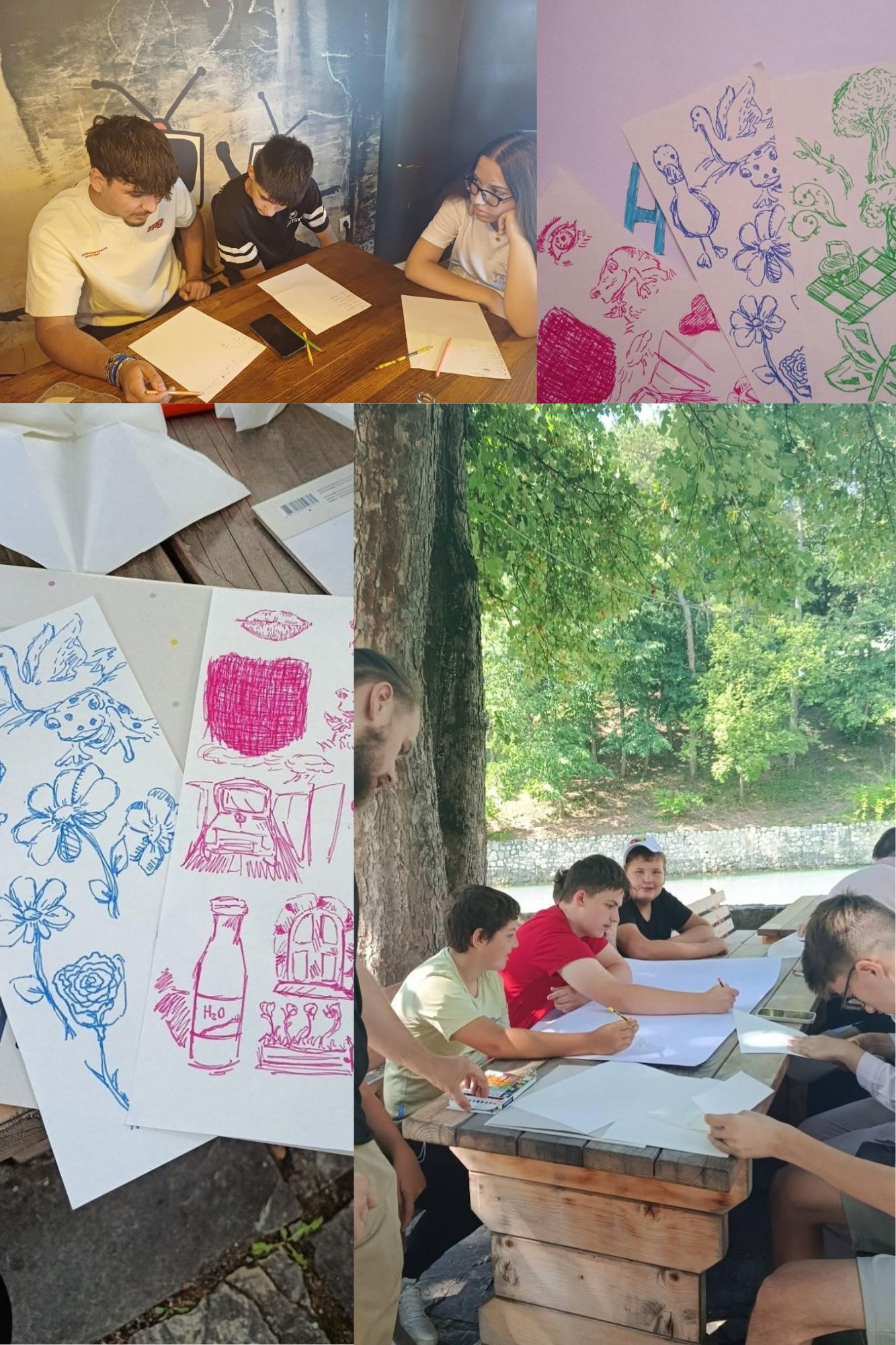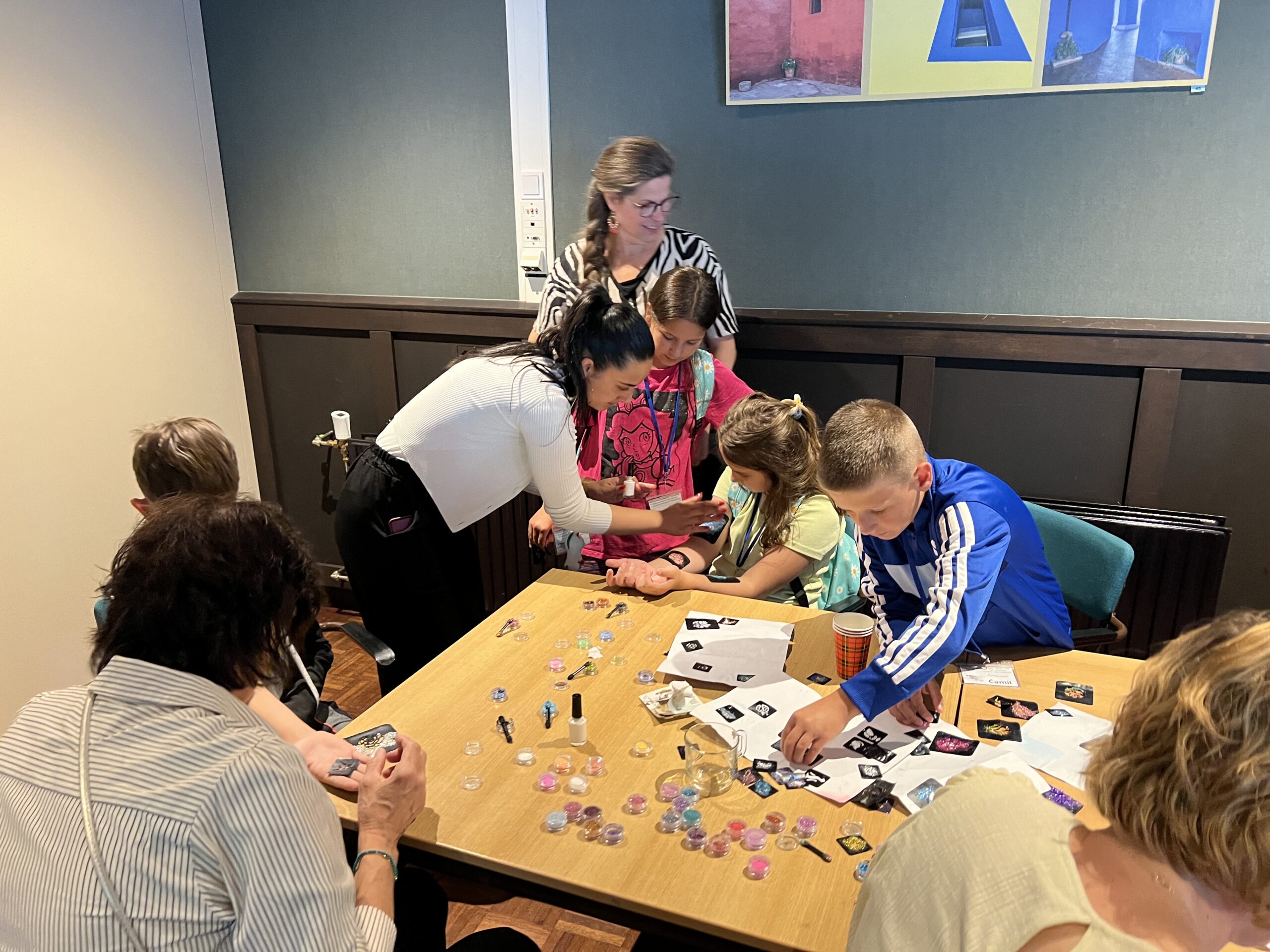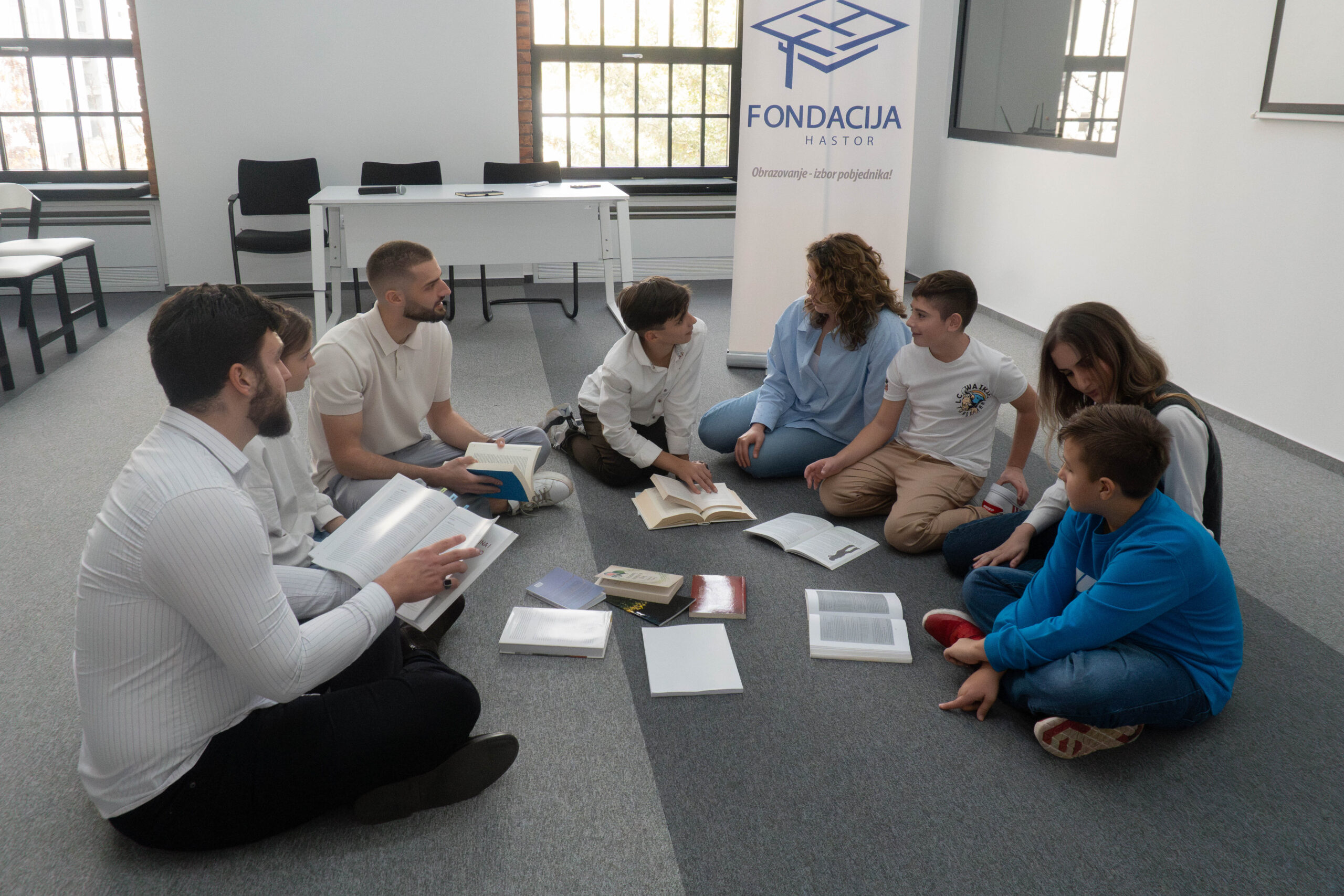
For the Hastor Foundation’s instructional support clubs, the summer break is not only an opportunity for rest but also a period dedicated to developing students’ knowledge, skills, and personal competencies through carefully designed thematic workshops. During the past period, topics were covered that encouraged students to reflect on the importance of empathy and overcoming prejudice, preserving physical and mental health, and understanding the emotions and psychological processes that shape our behaviour.
Particular attention was drawn to the workshop “Why Do We Judge a Book by Its Cover?”, led by student Ena Razić. Through the analysis of real-life situations, discussion, and interactive activities, students became aware of how misleading first impressions can be. By discussing stereotypes and prejudices, they developed empathy and concluded that every person deserves the opportunity to be known before we form an opinion about them.
At the workshop “Fatigue Among Young People – Why Are We Constantly Exhausted?”, led by student Ajla Hasić, students explored the causes of physical, mental, and emotional fatigue and discussed the importance of quality sleep, effective time management, a healthy diet, physical activity, and the responsible use of digital devices. Through sharing their own experiences, they identified habits that can improve their health and everyday functioning.
The workshop “Why Do We Pay to Be Scared?”, led by student Mia Markelić, also attracted great interest. It introduced students to the way the feeling of fear develops and how the brain and body react in stressful situations. Through engaging examples from horror films, psychology, and science, students expanded their knowledge of emotions and concluded that understanding their own fears is the first step towards overcoming them.
Through interactive work, open dialogue, and the exchange of experiences, students developed critical thinking, responsibility for their own health, respect for diversity, and the ability to view life situations from different perspectives. Activities such as these confirm that education goes beyond the acquisition of school knowledge and represents an important foundation for the development of mature, responsible, and socially aware young people.
We believe that content like this is the best reminder that learning lasts throughout life, and that every opportunity to gain new knowledge and experiences contributes to building more confident, compassionate, and successful individuals. Therefore, even the summer break can be a time of growth, inspiration, and discovering new interests.